
Sleep issues rarely feel urgent until daytime fatigue, loud snoring, or morning headaches start affecting work and relationships. Yet many people still wonder why sleep testing Hobart wait times can look so different from Sydney, Melbourne, or Brisbane, even when the symptoms sound the same.
This guide explains the practical reasons behind Hobart sleep testing wait times, what influences them week to week, and what locals can do to move faster through the system.
Why do Hobart services feel smaller than mainland sleep clinics?
They often feel smaller because Hobart has fewer dedicated sleep labs, fewer beds per lab, and a smaller pool of clinicians specialising in sleep medicine. With fewer appointment slots available each week, demand can outpace supply quickly.
In larger cities, multiple labs may operate across several suburbs, spreading demand and providing more options when one provider is booked out.
How does Tasmania’s workforce affect appointment availability?
It affects availability because specialist staffing is harder to scale in a smaller market. Sleep physicians, respiratory and sleep scientists, and technicians may cover broader roles or rotate between locations, limiting session frequency.
When a clinician takes leave or a lab has staffing gaps, the impact can be immediate. That ripple effect is one reason sleep testing Hobart wait times can fluctuate more than expected.
Are referrals handled differently in Hobart compared with larger cities?
They can be, mainly due to how local pathways are used. Some patients are referred to public outpatient clinics, others to private labs, and the routing depends on GP preferences, patient history, and funding.
In larger cities, they may have more choice of private providers within a short drive, so a GP can redirect a referral quickly. In Hobart, fewer alternatives can mean fewer easy reroutes when one service is full, shaping sleep testing Hobart wait times.
Does the public system create a different queue than the private system?
Yes. Public hospital pathways can prioritise based on clinical urgency, comorbidities, and triage rules, which can lengthen waits for those deemed lower risk. Private pathways can be faster, but only if the chosen clinic has capacity and the patient can manage costs.
Because Hobart has a smaller mix of providers, shifts in demand between public and private settings can directly influence sleep testing Hobart wait times.
How do triage decisions change who gets tested first?
They change the order by weighting risk. People with safety critical roles, suspected severe obstructive sleep apnoea, major daytime sleepiness, or cardiovascular risk factors may be escalated.
Those with milder symptoms may wait longer, even if their quality of life is poor. In a smaller service environment, these triage differences can be more visible, contributing to the perceived variability in sleep testing Hobart wait times.
Why do home sleep tests sometimes move faster than in-lab studies?
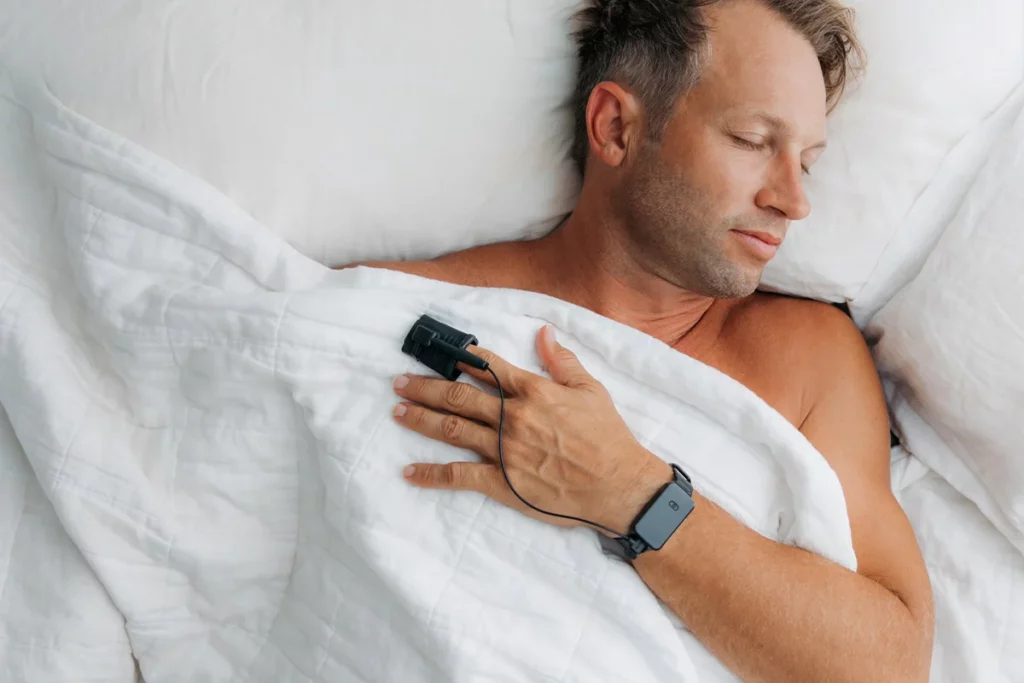
They can move faster because home testing does not rely on overnight lab beds. A home study typically needs equipment availability, setup instructions, and data processing, which can be scaled more easily.
In-lab polysomnography requires overnight staffing and a physical bed, so the bottleneck is tighter. Many patients asking about sleep testing Hobart wait times find that the type of test is the first lever that changes timelines.
What role does equipment availability play in smaller centres?
It matters because there are fewer spare devices and fewer backup options if something fails or is delayed in return. Home sleep test kits are rotated between patients, and any late returns can knock the schedule.
Bigger metropolitan providers often have deeper equipment pools, which cushions disruptions. In Hobart, a small disruption can influence sleep testing Hobart wait times for weeks.
Do seasonal patterns affect Hobart more than large cities?
Often, yes. Winter peaks in respiratory illnesses can increase referrals for snoring, breathing disturbance, and fatigue, and staffing illness can also rise. School holidays and end of year leave periods can reduce clinic capacity.
With fewer parallel services to absorb the bump, Hobart can feel the surge more sharply. This is another common reason sleep testing Hobart wait times vary across the year.
Why can follow-up appointments be the hidden delay?
Because testing is only one step. After a study, they may need a scoring and interpretation window, then a review appointment, then treatment setup if needed. If review clinics are booked out, results can sit waiting for discussion.
Large city clinics sometimes run higher frequency review lists. In Hobart, fewer sessions can extend the full timeline, not just the test date, which is why sleep testing Hobart wait times can feel longer end to end.
How do CPAP trials and supply logistics influence timelines?
They can influence timelines when clinics coordinate CPAP trials, mask fitting, education, and compliance checks. If the clinic’s trial stock is limited or appointments for fitting are scarce, treatment start can slip.
Supply chains into Tasmania are usually reliable, but service capacity is still local. For patients, the practical outcome is that sleep testing Hobart wait times may not reflect the whole journey if CPAP setup is the real bottleneck.
Does travel time within Tasmania affect clinic capacity?
Indirectly, yes. Patients travelling from the Huon Valley, the East Coast, the Midlands, or the North West may prefer fewer visits and specific appointment times. That concentrates demand into narrower windows.
In large cities, patients can distribute across many suburbs and time slots. Hobart clinics may see clustered demand that makes sleep testing Hobart wait times look uneven across weeks.
Are there enough sleep specialists per capita in Hobart?
Relative supply is often tighter, even if the community need is similar. Sleep medicine overlaps respiratory and cardiology, and specialist availability can hinge on broader hospital and private practice rosters.
Where a larger city can absorb demand by adding sessions across multiple providers, Hobart may have fewer levers to pull. That mismatch is central to understanding sleep testing Hobart wait times.
What can patients do to reduce delays without gaming the system?
They can start by preparing a clear symptom summary for their GP, including witnessed apnoeas, daytime sleepiness, near misses while driving, and any existing heart or metabolic conditions. A high quality referral that includes risk factors can speed triage decisions.
They can also ask whether a home sleep test is clinically appropriate. Choosing the right test type is often the most direct way to reduce sleep testing Hobart wait times.
Should they consider private testing, and what should they ask first?
Private testing can be worth considering when symptoms are affecting safety or work, but they should ask for a written quote and clarify what is included. They should confirm whether fees cover the test, reporting, specialist review, and CPAP trial support.
They should also ask about realistic booking timelines for both the test and the results appointment. That helps them evaluate whether the advertised sleep testing Hobart wait times reflect the full pathway.
How can they avoid delays caused by administrative issues?
They can check that the referral includes Medicare details, current medications, key comorbidities, and accurate contact information. They can also confirm the clinic has received the referral, especially if it was faxed or emailed.
If they are waiting, they can politely request to be contacted for cancellations. Small administrative gaps can quietly extend sleep testing Hobart wait times more than many people expect.

What should they do if symptoms worsen while they wait?
They should return to their GP promptly and document any escalation, especially daytime drowsiness while driving, new cardiovascular symptoms, or significant mood changes. The GP can update the referral or request reprioritisation based on changed risk.
They can also ask about interim measures like sleep hygiene, positional therapy, and reducing alcohol near bedtime. While it does not replace diagnosis, it can reduce risk during sleep testing Hobart wait times.
Why do comparisons to Sydney or Melbourne sometimes miss the point?
They miss the point because larger cities operate with more redundancy. More labs, more clinicians, and more appointment locations create flexibility. Hobart operates with fewer moving parts, so each constraint is felt more strongly.
So even when demand is lower in absolute numbers, service capacity may be lower too. That structural difference explains why sleep testing Hobart wait times cannot be assumed to match mainland patterns.
What is the simplest way to interpret Hobart wait times realistically?
They should view the wait as a chain, not a single date: referral quality, triage priority, test type, equipment availability, scoring and reporting time, and follow-up appointments. A delay in any link can shift everything.
When they consider the whole pathway, the variability makes more sense. And with the right questions and preparation, many people can shorten the practical impact of sleep testing Hobart wait times without cutting corners.
Related : How a Sleep Study Melbourne Clinic Diagnoses Sleep Apnoea
