
Sleep apnoea often looks like “just snoring” until the daytime fatigue, morning headaches, and concentration issues start stacking up. In Australia, the clearest way to confirm what is actually happening overnight is testing through a sleep study Melbourne clinic that can measure breathing, oxygen levels, and sleep stages.
This guide explains how a Melbourne sleep study clinic typically diagnoses sleep apnoea, what patients can expect, and what happens after results come back.
What is sleep apnoea, and why does diagnosis matter?
Sleep apnoea is a condition where breathing repeatedly reduces or stops during sleep. Diagnosis matters because untreated sleep apnoea is linked with higher risks of high blood pressure, heart strain, road accidents due to fatigue, and poorer quality of life.
In Australia, a confirmed diagnosis also helps ensure the right treatment pathway, including CPAP access and ongoing clinical support.
What symptoms make a clinic suspect sleep apnoea?
Clinics often suspect sleep apnoea when patients report loud snoring, witnessed breathing pauses, choking or gasping at night, and unrefreshing sleep. Daytime sleepiness, mood changes, and poor focus also raise concern, especially for people who drive for work.
A sleep study Melbourne clinic will usually combine symptoms with a health history to decide which test is most suitable.
How does a sleep study Melbourne clinic start the assessment?
They typically begin with an intake that covers sleep habits, medications, alcohol use, and shift work patterns. They also ask about weight changes, nasal obstruction, reflux, and family history, since these can influence airway collapse during sleep.
A sleep study Melbourne clinic may use screening questionnaires (such as Epworth Sleepiness Scale) to quantify daytime sleepiness and guide urgency.
What types of sleep studies are used to diagnose sleep apnoea?
Sleep apnoea is commonly diagnosed with either an in-lab overnight study (polysomnography) or a home sleep apnoea test (HSAT). The right option depends on symptoms, medical history, and whether complex sleep disorders are suspected.
A sleep study Melbourne clinic will often recommend in-lab testing when there are significant heart or lung conditions, suspected central sleep apnoea, parasomnias, or unclear symptoms.
What is the difference between an in-lab study and a home test?
An in-lab study tracks a wider range of signals, including brain waves that confirm sleep stages. A home test focuses mainly on breathing and oxygen measures and is often used for straightforward suspected obstructive sleep apnoea.
Many people choose a home test for convenience, but a sleep study Melbourne clinic may advise an in-lab study if the first test is negative despite strong symptoms.
What happens during an in-lab sleep study?
They arrive in the evening and sleep in a private room while sensors collect data overnight. Staff attach monitoring leads to the scalp, face, chest, and legs, plus airflow sensors and an oximeter to track oxygen.
A sleep study Melbourne clinic aims to capture a “typical night,” so patients are usually encouraged to keep their normal routine where possible.
What does a home sleep apnoea test involve?
They take a portable device home, fit the sensors before bed, and return it the next day. Most home tests measure airflow, breathing effort, oxygen saturation, and heart rate, and some include snoring and body position.
A sleep study Melbourne clinic will provide written instructions and often a support line so patients can troubleshoot sensor placement.
Which signals actually prove sleep apnoea?
Diagnosis is based on objective breathing events and oxygen changes rather than snoring volume alone. The key measurements include reductions or pauses in airflow, effort to breathe, oxygen desaturation, and how often events occur per hour.
A sleep study Melbourne clinic uses these signals to calculate severity and determine whether events are obstructive, central, or mixed.
What is the Apnoea-Hypopnoea Index (AHI), and why is it important?
AHI is the number of apnoeas (breathing pauses) plus hypopnoeas (partial obstructions) per hour of sleep. It is a core metric used to grade sleep apnoea severity and guide treatment.
In general terms, AHI is commonly grouped as mild, moderate, or severe, and a sleep study Melbourne clinic will interpret this alongside symptoms and oxygen drops.
How do they tell obstructive from central sleep apnoea?
Obstructive events show ongoing breathing effort while airflow is reduced or blocked, usually from upper airway collapse. Central events show reduced or absent effort, meaning the brain’s breathing drive temporarily drops.
A sleep study Melbourne clinic distinguishes these using chest and abdominal effort bands and airflow signals, which is crucial because treatment can differ.
How does oxygen saturation influence the diagnosis?
Oxygen saturation (SpO₂) shows whether breathing events are causing meaningful strain on the body. Some patients have frequent events with mild oxygen impact, while others have fewer events but deeper drops.
A sleep study Melbourne clinic looks at the lowest oxygen level reached, how long oxygen stays low, and how often desaturations occur across the night.
Why do sleep position and REM sleep matter so much?
Many people experience worse sleep apnoea when sleeping on their back because gravity makes airway collapse more likely. REM sleep can also worsen airway instability due to reduced muscle tone.
A sleep study Melbourne clinic reviews body position data and sleep stage data to identify position-dependent or REM-predominant patterns that may influence treatment choices.
What other conditions can a clinic pick up during a sleep study?
A study can reveal more than sleep apnoea, especially in a full in-lab setup. They may detect periodic limb movements, unusual behaviours during sleep, bruxism indicators, or patterns suggesting insomnia.
A sleep study Melbourne clinic may also observe abnormal heart rhythms or significant oxygen instability that requires follow-up with a GP or specialist.
How long does it take to get results, and what do they include?
Results often take several days to a couple of weeks depending on the service model and whether a sleep physician report is included. The report typically summarises AHI, oxygen metrics, sleep architecture (for in-lab), snoring, heart rate trends, and body position impact.
A sleep study Melbourne clinic should explain results in plain language and link them to next-step options rather than just handing over numbers.
What happens after diagnosis if sleep apnoea is confirmed?
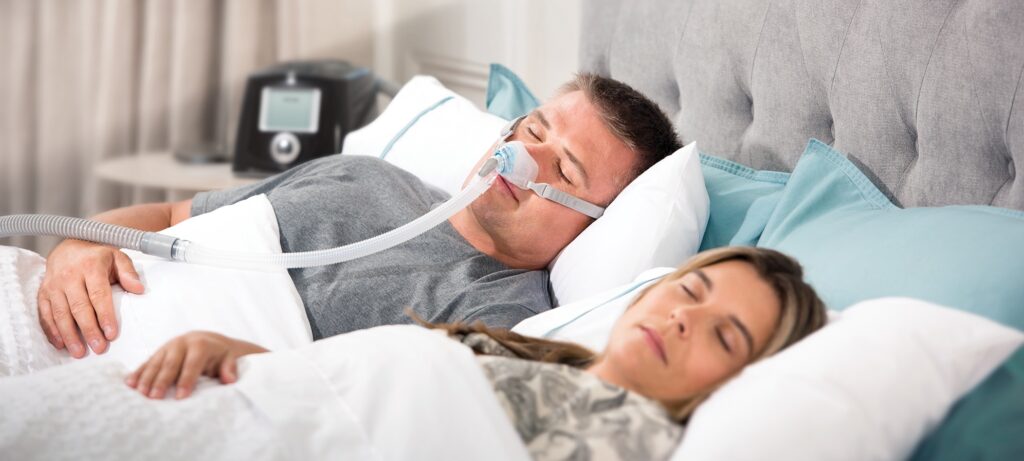
They usually discuss severity, symptom burden, and risk factors, then match treatment to the pattern found on the study. For many Australians with moderate to severe obstructive sleep apnoea, CPAP is considered the most effective first-line option.
A sleep study Melbourne clinic may also coordinate referrals to ENT, dental sleep providers, or allied health for weight and lifestyle support, depending on the case.
How do CPAP trials and pressure settings get determined?
Some patients complete a second night in-lab for CPAP titration, where pressure is adjusted to prevent events. Others use an auto-adjusting CPAP (APAP) trial at home, with settings refined from device data.
A sleep study Melbourne clinic will typically review leak, residual AHI, comfort issues, and usage patterns to make sure therapy is both effective and sustainable.
When might they recommend alternatives to CPAP?
They may suggest alternatives when sleep apnoea is mild, position-dependent, or when CPAP tolerance is low despite support. Options can include mandibular advancement splints through a trained dentist, positional therapy, nasal management, or ENT assessment for structural issues.
A sleep study Melbourne clinic should still monitor outcomes, because symptom improvement alone does not always mean breathing events are fully controlled.
How should patients prepare to get the most accurate study?
They should aim for a typical day and night, avoiding unusual naps and keeping caffeine and alcohol consistent with their normal pattern unless instructed otherwise. They should bring a medication list and mention any sedatives, opioids, or nasal sprays that may affect breathing.
For an in-lab study, a sleep study Melbourne clinic will often suggest comfortable sleepwear and personal items that help normalise the sleep environment.
What questions should they ask before booking a clinic?
They should ask whether the test is in-lab or home-based, whether a sleep physician reviews the results, and what support is included after diagnosis. It also helps to ask about approximate turnaround times, follow-up appointments, and CPAP trial arrangements if needed.
Choosing a sleep study Melbourne clinic with clear pathways from testing to treatment can reduce delays and improve long-term adherence.
What’s the takeaway on diagnosing sleep apnoea in Melbourne?
A proper diagnosis is based on measured breathing events, oxygen impact, and sleep context, not just snoring complaints. When testing is matched to symptoms and medical history, a sleep study Melbourne clinic can identify the type and severity of sleep apnoea and guide treatment that actually improves sleep and daytime function.
For many Australians, that clarity is the turning point between coping with exhaustion and finally treating the cause.
Related : Why Sleep Testing Hobart Wait Times Differ From Larger Cities
