
What Access and Timing Mean for Everflo Oxygen Concentrator
Getting oxygen therapy right often comes down to two practical things: access and timing. For many Australians, access means how easily someone can get the device, set it up, and keep it running. Timing is about how quickly oxygen is available when they need it, and how reliably it delivers day to day. This is exactly what people usually mean when they talk about Everflo oxygen concentrator use at home.
What does “access” mean for someone using an oxygen concentrator at home in Australia?
Access means how smoothly they can obtain the machine, learn to use it, and keep it supported over time. In Australia, that usually includes a prescription pathway, a home oxygen assessment, and then supply through a hospital programme, community service, or a private provider.
For an Everflo oxygen concentrator, access also includes practical fit in the home, noise tolerance, and whether their household can manage cleaning and basic checks.
How do Australians typically get access to an Everflo oxygen concentrator?
Most people access home oxygen after a GP or respiratory specialist assessment, often supported by testing such as oxygen saturation checks and, when needed, formal studies ordered through a clinic or hospital. Some will receive oxygen equipment through public hospital arrangements, while others use private suppliers, including rental options.
When they are specifically considering an Everflo oxygen concentrator, availability through local suppliers and service networks matters because it affects how quickly they can start and how easily issues are resolved.
Why does timing matter so much with oxygen therapy?
Timing matters because oxygen needs can change quickly with exertion, infections, heat, or flare-ups of chronic lung disease. If oxygen therapy is delayed, inconsistent, or interrupted, symptoms like breathlessness and fatigue can escalate and may increase the chance of a hospital visit.
For someone relying on an Everflo oxygen concentrator, timing is not only about delivery speed. It is also about consistent output, routine monitoring, and knowing what to do when something changes.
When should they organise oxygen equipment after a prescription?
They should aim to organise equipment as soon as the prescription and oxygen targets are confirmed, especially if they have recently had an exacerbation or hospital discharge. Early set-up gives time to position the device safely, learn alarms and controls, and confirm the flow settings match the clinician’s plan.
With an Everflo oxygen concentrator, organising early also helps them plan for servicing and consumables, such as filters, tubing, and spare cannulas.
How does access affect safety and day-to-day use?
Access affects safety because a smooth set-up usually includes education on fire risks, safe distances from heat sources, and correct placement for ventilation. If a household cannot easily access training or follow-up support, they are more likely to misuse flow settings, ignore maintenance, or place the unit unsafely.
For an Everflo oxygen concentrator, safe use often comes down to simple routines: keeping vents clear, checking the cannula fit, and following cleaning instructions provided by the supplier or clinician.
What should they consider about space, power, and placement in an Australian home?
They should consider a stable surface, clear airflow around the unit, and easy access to a power point that is not overloaded. Many Australian homes have multiple power boards in living spaces, so it is worth checking that the circuit can handle continuous use and that cords are not a trip hazard.
If they are using an Everflo oxygen concentrator, placement also affects timing of therapy. A unit positioned where they actually spend time makes it more likely they will use it as prescribed.
Other Resources : Medicare Mental Health: Home
How does timing relate to flow rate changes and clinical review?
Timing matters because flow rates and oxygen targets may change as their condition changes. People may require reassessment after an illness, medication change, or reduced mobility. If reviews are delayed, they may stay on the wrong settings for too long, which can reduce benefit or create risks.
For an Everflo oxygen concentrator, they should not adjust prescribed settings without clinical direction, but they can keep a simple symptom and saturation log to support timely review.
When is the best time to plan for servicing, filters, and replacement parts?
They should plan before a problem occurs, ideally at set intervals recommended by the supplier. Filters, cannulas, and tubing wear out gradually, so delaying replacements can reduce comfort and hygiene and may affect performance.
For an Everflo oxygen concentrator, access to parts is part of access to therapy. If the supplier is remote or shipping times are long, it is sensible to keep a small buffer of basic consumables.
What does “timing” mean during an exacerbation or respiratory infection?
During an exacerbation, timing means acting early: contacting a clinician, following their action plan, and confirming oxygen use matches the plan. People sometimes wait too long because they assume breathlessness will settle, but delays can worsen outcomes.
If they use an Everflo oxygen concentrator, they should follow the clinician’s instructions about when to seek urgent care, particularly if symptoms escalate despite oxygen, or if there are signs like confusion, chest pain, or bluish lips.
How can access and timing affect sleep and overnight routines?
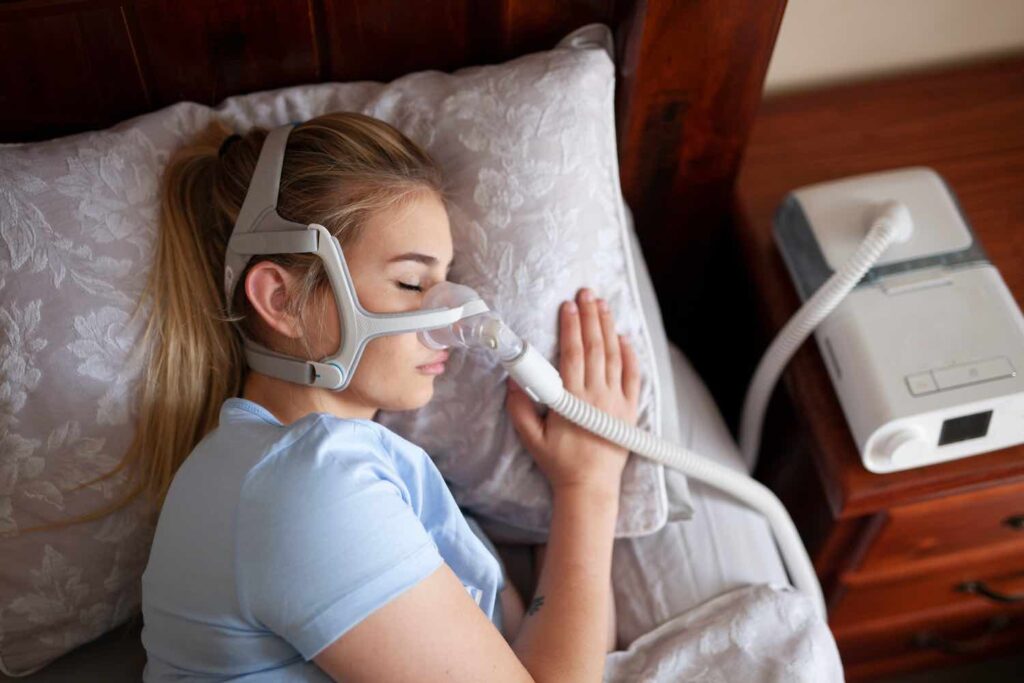
Access affects whether they can comfortably set up oxygen in the bedroom, manage longer tubing safely, and keep the device running without overheating or obstruction. Timing matters because missed overnight use, if prescribed, can lead to poorer sleep quality and morning headaches for some patients.
For an Everflo oxygen concentrator, it helps when they can set a consistent bedtime routine that includes checking the cannula, tubing position, and any humidification guidance if provided.
What questions should they ask a supplier or clinician before starting?
They should ask what flow rate is prescribed, when to use oxygen (rest, exertion, sleep), and what target saturation range is expected for their condition. They should also ask what alarms mean, what maintenance is required, and how to get help after hours.
If they are starting with an Everflo oxygen concentrator, they can also ask about expected noise levels, energy use, and the recommended schedule for filter checks and servicing.
How do access and timing relate to emergency planning in Australia?
Access and timing include planning for power outages, extreme heat, and bushfire season where relevant. They should know who to call if the device fails, and whether a backup cylinder is recommended for their situation. Some households also plan where to relocate the unit if they need to move rooms quickly.
With an Everflo oxygen concentrator, their plan should be written down and shared with carers or family so actions are not delayed under stress.
Does access include training for carers and family members?
Yes. Access is not only the machine. It includes the people around them understanding basic operation, safety rules, and what to do if the patient becomes more breathless. In many Australian households, support is informal, so training needs to be simple and repeatable.
Where an Everflo oxygen concentrator is used, a short handover that covers on/off, flow confirmation, cannula placement, and fire safety can prevent most avoidable issues.
How can they tell if timing is becoming a problem in their routine?
Timing is becoming a problem if they regularly forget sessions, delay turning on oxygen until symptoms are severe, or avoid using it outside certain rooms because set-up is inconvenient. It can also show up as running out of consumables, missing service dates, or not booking reviews when symptoms change.
For someone on an Everflo oxygen concentrator, these patterns are usually solvable by simplifying placement, keeping a checklist, and scheduling reviews in advance.
What are the key takeaways about access and timing for Everflo oxygen concentrator users?
Access means reliable supply, safe set-up, and ongoing support, not just receiving a device. Timing means starting promptly after prescription, using oxygen consistently when prescribed, and responding early to changes or faults.
For many Australians, improving outcomes with an Everflo oxygen concentrator is less about complex technique and more about making oxygen therapy easy to start, easy to maintain, and hard to miss when it matters most.
More to Read : What Local Conditions Mean for Oxygen Concentrator Portable
FAQs (Frequently Asked Questions)
What does “access” mean for someone using an Everflo oxygen concentrator at home in Australia?
Access refers to how smoothly a person can obtain the Everflo oxygen concentrator, learn to use it, and maintain support over time. This includes having a prescription, undergoing a home oxygen assessment, and obtaining the device through hospital programmes, community services, or private providers. It also involves practical considerations like fitting the unit in the home, noise tolerance, and managing cleaning and basic checks.
How do Australians typically gain access to an Everflo oxygen concentrator?
Most Australians access home oxygen therapy after assessment by a GP or respiratory specialist, supported by tests such as oxygen saturation checks or formal studies. Oxygen equipment may be supplied through public hospital arrangements or private suppliers offering rental options. Availability of the Everflo concentrator via local suppliers and service networks is important for prompt start-up and easy issue resolution.
Why is timing crucial when using oxygen therapy with an Everflo oxygen concentrator?
Timing is vital because oxygen needs can change rapidly due to exertion, infections, heat, or flare-ups of chronic lung disease. Delays or interruptions in oxygen therapy can worsen symptoms like breathlessness and fatigue and increase hospitalisation risk. For Everflo users, timing encompasses not only delivery speed but also consistent output, routine monitoring, and knowing how to respond to changes.
When should patients organise their Everflo oxygen concentrator after receiving a prescription?
Patients should arrange their equipment as soon as their prescription and oxygen targets are confirmed, especially following exacerbations or hospital discharge. Early set-up allows safe positioning of the device, familiarisation with alarms and controls, confirmation of flow settings with clinicians, and planning for servicing and consumables such as filters, tubing, and spare cannulas.
How does proper access impact safety and daily use of an Everflo oxygen concentrator?
Proper access supports safety by ensuring education on fire risks, safe distances from heat sources, correct ventilation placement, and maintenance routines. Without easy access to training or follow-up support, misuse of flow settings or neglect of maintenance can occur. Safe use involves simple routines like keeping vents clear, checking cannula fit regularly, and following cleaning instructions provided by suppliers or clinicians.
What considerations should be made regarding space, power supply, and placement for an Everflo oxygen concentrator in an Australian home?
The device should be placed on a stable surface with clear airflow around it and easy access to a reliable power point that is not overloaded. Many Australian homes have multiple power boards; checking circuit capacity for continuous use is important alongside preventing trip hazards from cords. Positioning the unit where the user spends most time enhances adherence to prescribed therapy timing.
